Small Exhibition Stands: It’s Not the Size, It’s the Impact
When it comes to exhibition stands, bigger isn’t always better. Sure, large stands can dominate the floor, but a small, well-designed stand can be just as (if not more) effective. The key isn’t how much space you have, but how you use it. A cleverly planned small stand can draw in visitors, spark meaningful conversations, and leave a lasting impression—all without the hefty price tag and logistical headaches of a massive setup.
Why Small Exhibition Stands Work
There’s a common misconception that bigger automatically means better at exhibitions. But in reality, a small stand that’s thoughtfully designed can punch well above its weight. Here’s why:
- • Cost-Effective – Renting less floor space means saving money on everything from exhibition fees to logistics and staffing. That means you can invest more in branding, lighting, and interactive elements that actually engage your audience.
- • Easier to Manage – A smaller stand is quicker to set up, requires fewer people to run, and is far less stressful when it comes to pack-down at the end of the event.
- • More Engaging – Smaller spaces naturally encourage closer, more personal interactions. Instead of overwhelming visitors with too much information, you can have meaningful conversations and build real connections.
- • Strategic Placement – It’s often easier to secure a prime location on the exhibition floor with a smaller stand, putting you right where the foot traffic is.
- • Sustainable & Reusable – A compact, well-designed stand can be repurposed for multiple events, cutting down on waste and making your brand more eco-friendly.
Case Studies: Small Stands That Made a Big Impact
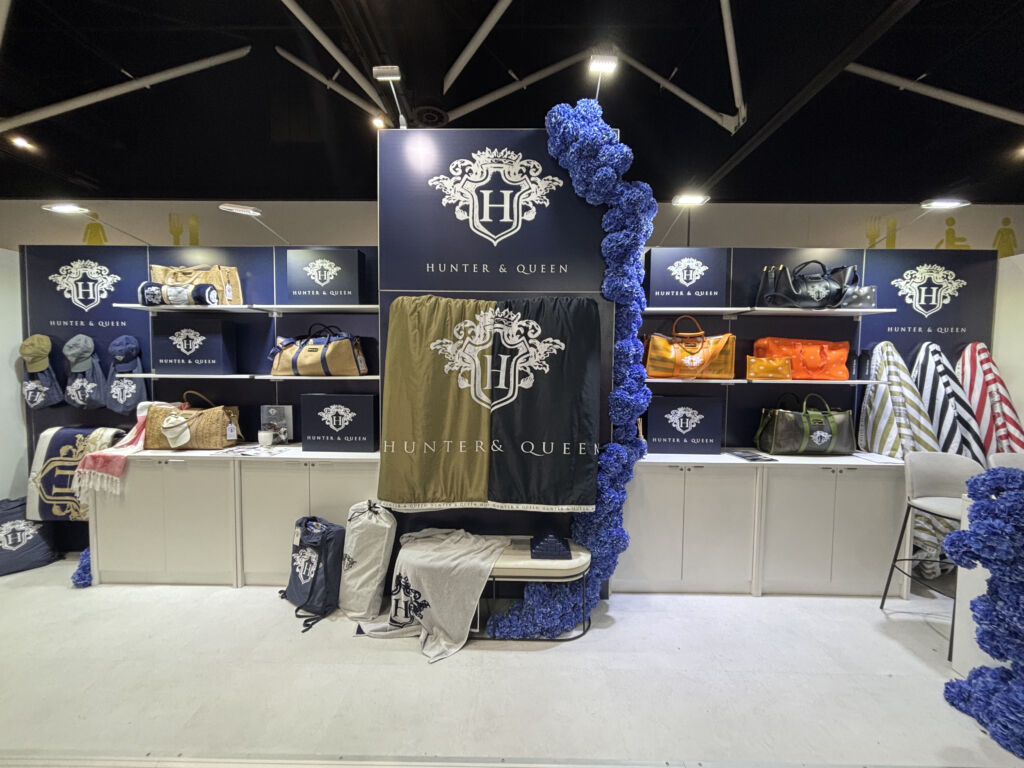
Hunter & Queen: Luxury at Life Instyle 2025
At Life Instyle 2025, Hunter & Queen proved that luxury doesn’t need a large footprint. Their stand, designed by Grand Stand Events, focused on premium materials, elegant lighting, and an open layout that exuded sophistication. The stand used a clever combination of soft lighting and textured surfaces to create an inviting, high-end atmosphere.
Key takeaway: If your brand is all about quality, invest in premium finishes and a clean, uncluttered design to create a high-end feel, no matter how small the space.
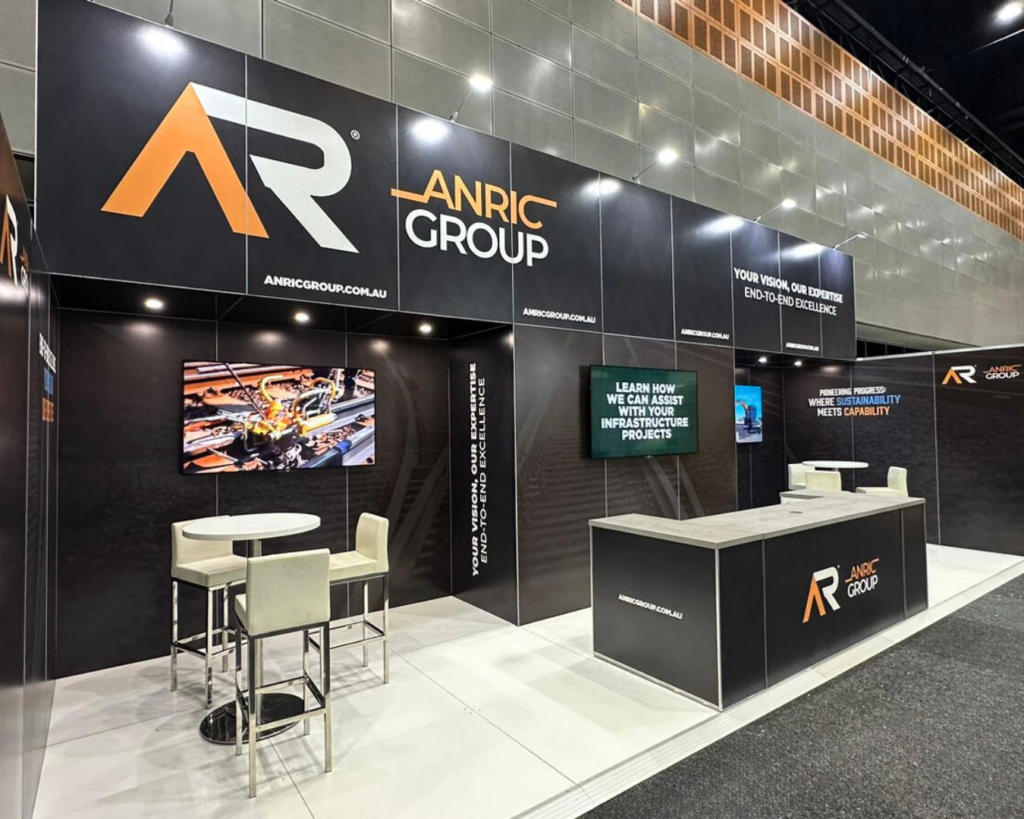
Anric Group at AusRail 2024
Anric Group made a big impact at AusRail 2024 with a compact yet dynamic stand. They focused on an open design, interactive touchpoints, and clear branding, making sure every inch of their space worked hard. With clever layout planning, they avoided the usual cramped feel of smaller stands, allowing visitors to flow through easily.
Key takeaway: A well-structured layout with clear branding and interactive elements can make a small stand feel open and inviting.
Pacvac: Cleaning Up at ISSA 2024
Pacvac’s stand at ISSA 2024 was a masterclass in using vertical space effectively. Instead of filling the floor with products, they built upwards, using tall displays and clever lighting to draw the eye. Interactive product demos kept visitors engaged without overcrowding the space.
Key takeaway: If space is tight, go vertical! Tall banners, shelving, and hanging signage help maximise visibility without taking up valuable floor area.

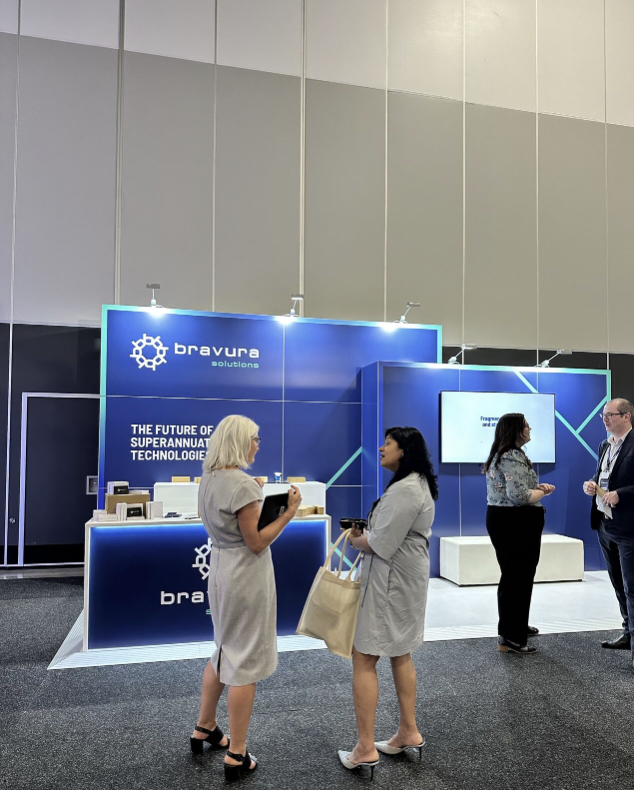
Bravura: Making a Statement in a Compact Footprint
Bravura embraced bold design to make the most of their small stand. Grand Stand Events delivered a highly stylised layout utilising Bravura’s impactful branding and a carefully lit showcase. Despite limited space, the stand conveyed a premium, expressive identity that aligned perfectly.
Key takeaway: Bold, intentional design choices like dramatic lighting, confident colour palettes and strong visuals can make a small stand truly stand out from the crowd.
Expert Tips for Making a Small Stand Work Harder
1. Use Vertical Space with Hanging Banners and Shelving
Think upwards, not outwards. When you have a small footprint, using the height of your stand is key to creating impact. Hanging signage ensures your branding is visible from a distance, drawing visitors in even before they reach your stand. Shelving, mounted displays, and vertical banners allow you to showcase products and marketing materials without cluttering limited floor space.
2. Create an Open, Welcoming Layout
Small stands can feel cramped if not designed properly. Avoid barriers and bulky counters that block visitor flow. Instead, opt for an open layout that invites people to step in. Consider a design with multiple entry points to make access easier, and ensure there’s enough room for comfortable movement. If possible, arrange product displays along the perimeter rather than in the centre to maximise available space.
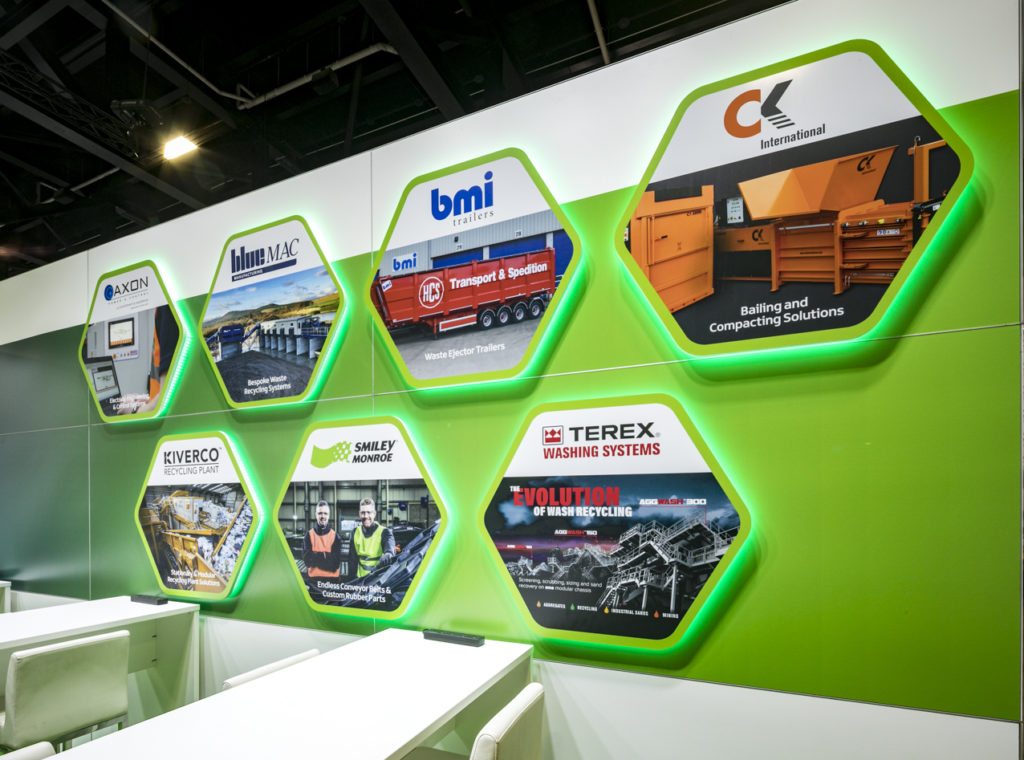
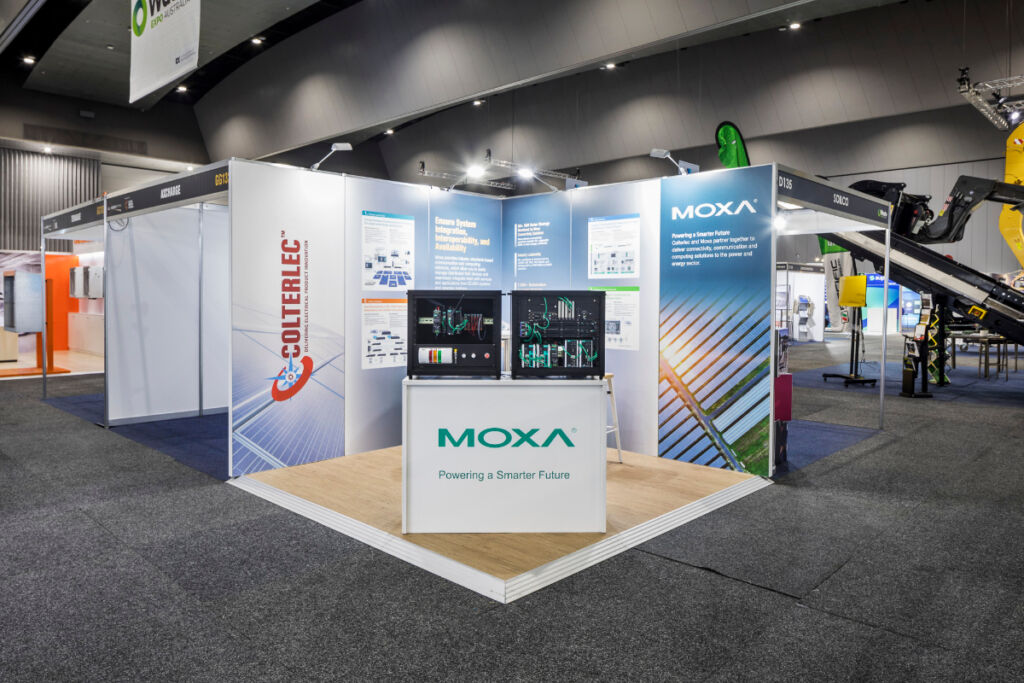
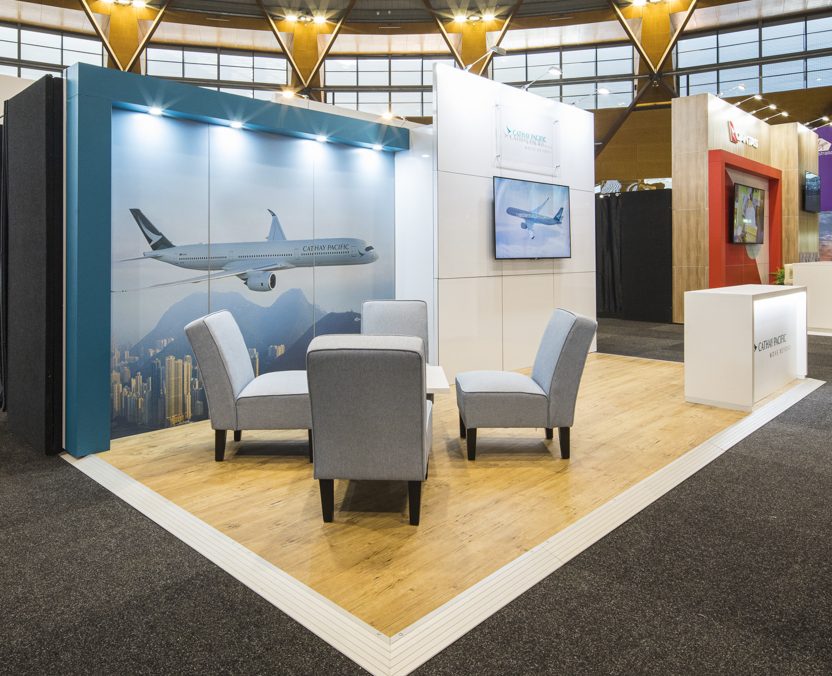
3. Invest in Strategic Lighting
Lighting is one of the most powerful tools for transforming a small space. Poor lighting can make a stand feel dark and confined, while well-placed lights can create depth and openness. Use a mix of:
- • Overhead spotlights to highlight key products or branding
- • Backlit signage to make graphics pop and increase visibility
- • LED strips along shelves and display units to create a modern, high-end feel
- • Warm, inviting tones to encourage visitors to stay longer
4. Keep the Design Minimalist and Clean
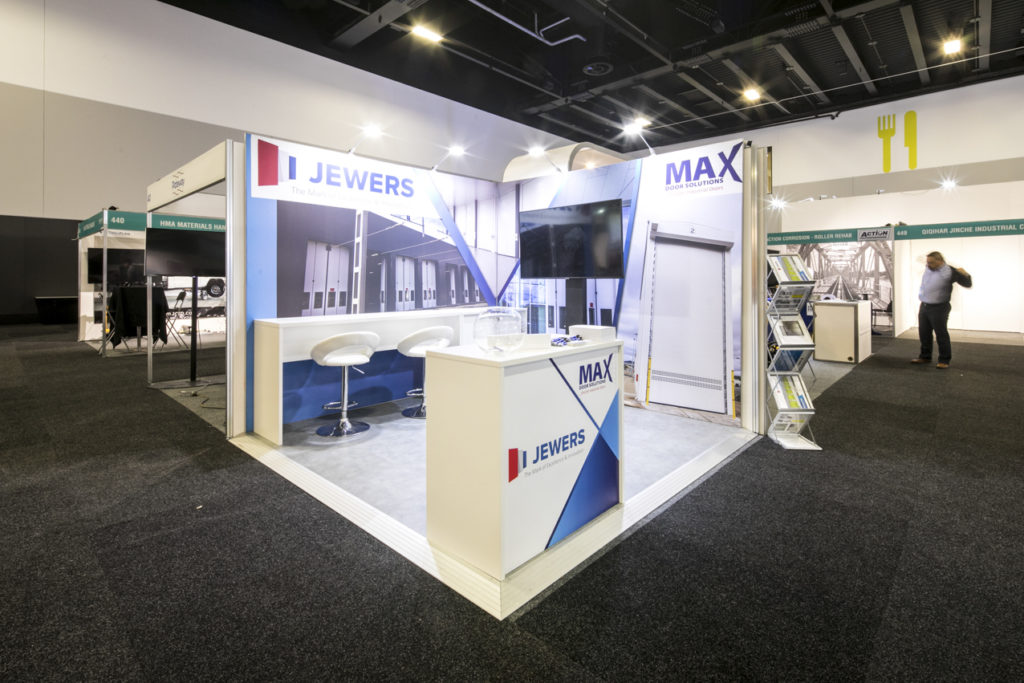
Less is more when working with limited space. A cluttered stand can overwhelm visitors, making it difficult to focus on your key message. Stick to a clean, modern design with a cohesive colour scheme and large, high-quality visuals. Ensure branding is strong and easy to identify, using simple messaging that gets your point across quickly.
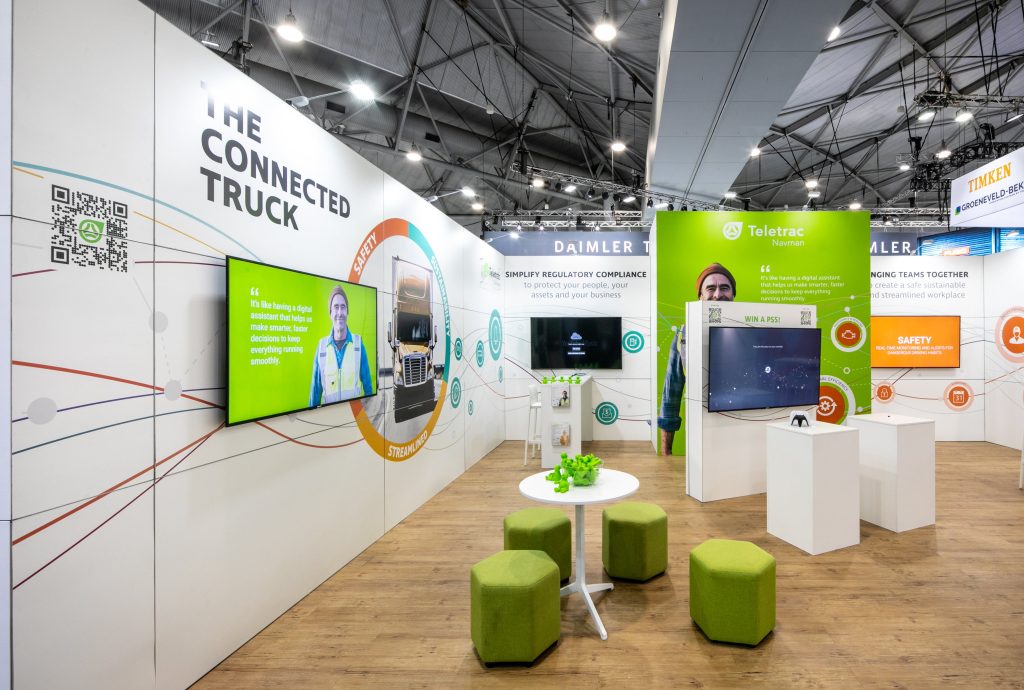
5. Use Digital Solutions Like QR Codes Instead of Printed Materials
Printed brochures and flyers take up space and often get discarded. Instead, opt for digital solutions such as QR codes linked to product information, videos, or downloadable brochures. This not only reduces clutter but also makes it easier for visitors to access your content after the event.
6. Choose Multi-Purpose Furniture to Maximise Space
Every item on your stand should serve more than one purpose. Consider:
- • Storage-integrated counters that double as display units
- • Foldable or stackable chairs for flexibility
- • Modular furniture that can be rearranged depending on visitor flow
- • Hidden compartments to keep extra materials out of sight
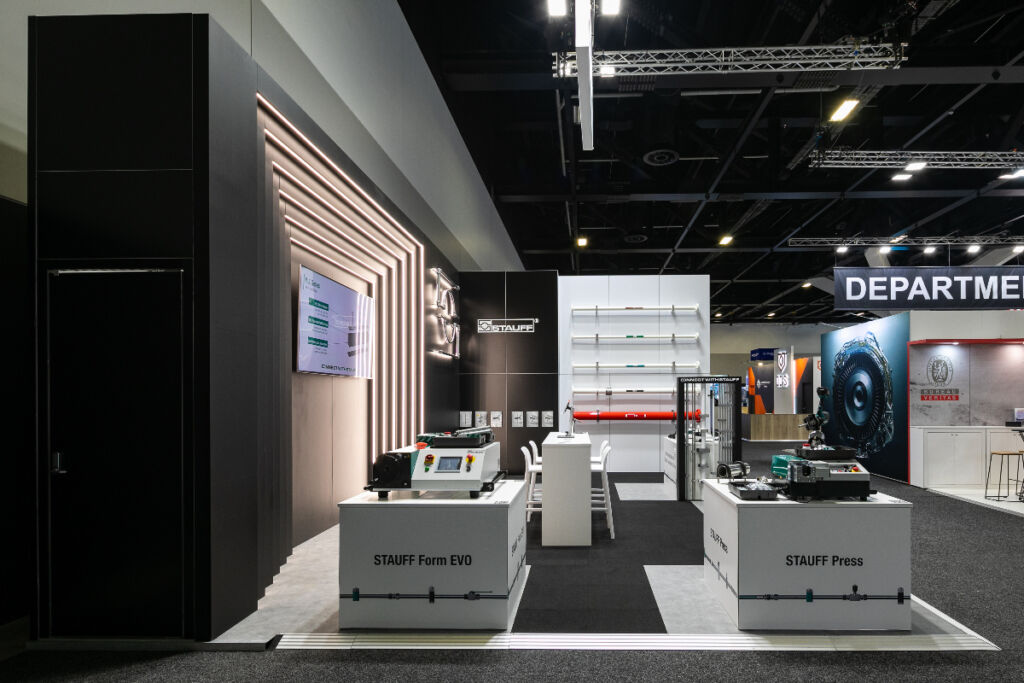
7. Incorporate Mirrors or Glossy Surfaces to Enhance Openness
Mirrors and glossy finishes create the illusion of more space by reflecting light and making the stand feel larger. If adding mirrors isn’t an option, consider using materials with a reflective finish to enhance brightness and openness.

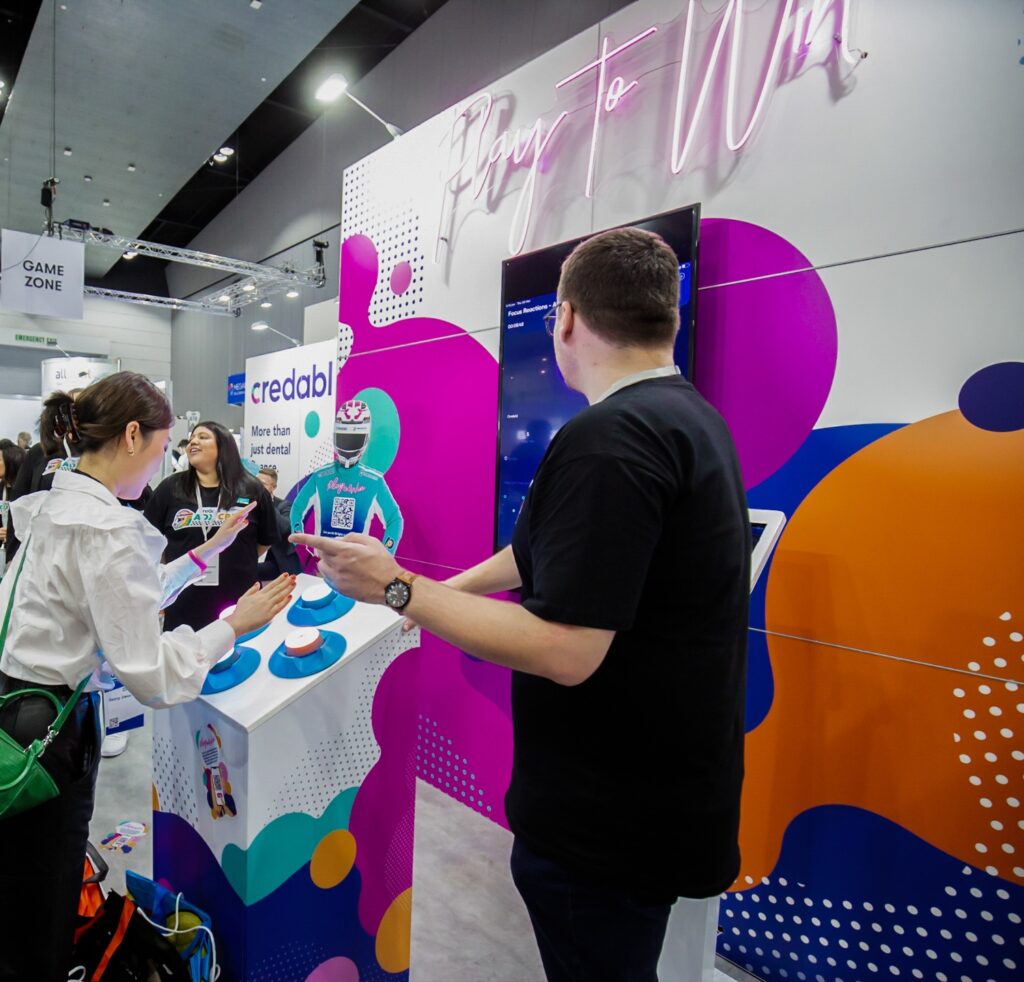
8. Make the Stand an Interactive Experience
An engaging stand is a memorable stand. Even in a small space, interactive elements can increase visitor dwell time and boost engagement. Some ideas include:
- • Touchscreens or tablets where visitors can browse your product catalog
- • Live demonstrations to showcase key features of your product or service
- • Gamification—such as a simple competition or prize draw—to encourage participation
- • Virtual reality (VR) or augmented reality (AR) experiences to create an immersive brand interaction
- • Hospitality zone to create an area to relax and network
Wrapping Up
A small exhibition stand doesn’t mean small results. When executed with precision, a compact stand can create just as much impact—if not more—than its larger counterparts. The key is to use space wisely, focus on high-quality design elements, and ensure every aspect of the stand serves a purpose. By incorporating strategic layouts, engaging visuals, and interactive experiences, you can transform even the smallest footprint into an attention-grabbing space that drives results.
Whether you’re working with a tight budget, limited space, or simply prefer a more intimate customer experience, a well-planned small exhibition stand can deliver maximum value and engagement. At the end of the day, it’s not about how much space you have — it’s about how effectively you use it.

BRANDS WE’VE MADE STAND OUT