The Hidden Mistakes That Derail Builds Across Events, Activations and More
Avoid These Event Planning Mistakes: Why the Best Brands Plan Beyond the Build
When planning a custom exhibition stand, roadshow, activation or retail fitout, most teams focus on the big items: visual appeal, budget, and deadlines. But it’s often the overlooked details (the ones buried between stakeholder approvals, supplier coordination and venue regulations) that derail outcomes and create stress.
At Grand Stand Events, we’ve delivered hundreds of projects across all formats. And while each one is unique, we’ve seen a pattern: the most costly issues are often avoidable. This blog is here to help you spot them early.
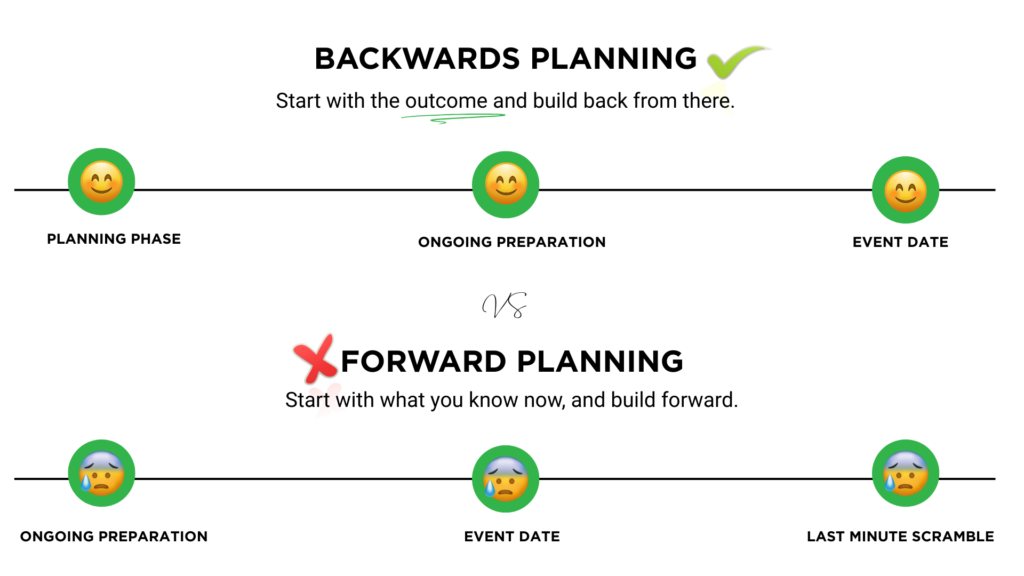
Mistake: Planning From the Date Instead of the Outcome in Event & Exhibition Delivery
Whether it’s an event, activation, exhibition, or showroom fitout, too many teams start by planning from the date — working forward based on logistics and timelines, rather than backwards from purpose.
But if you haven’t defined what success looks like, how can you build something that delivers?
The better approach is outcome-first. Start with the goal, then reverse-engineer the steps to get there. This ensures your creative decisions, spatial planning, and budget all align with what actually matters.
Instead, ask:
- • What does success look like — leads, signups, conversations, conversions?
- • What do we want people to feel, do or remember?
- • How will we measure ROI?
Why it matters: Without these answers, it’s easy to overinvest in the wrong features — or underinvest in the things that truly drive results.
Mistake: Using the Same Approach for Exhibitions, Activations, Roadshows and Fitouts
Exhibition builds, activations, fitouts and roadshows all come with their own considerations — from traffic flow and AV placement to council approvals and compliance documentation.
But when teams apply the same checklist to every project, things slip through the cracks. What works for an expo stand might not work for a shopping centre activation or a mobile roadshow — and that’s where inefficiencies (and risks) creep in.
What we recommend:
- • Tailor the delivery process to the format, not the other way around.
- • Bring your delivery partner in early to identify format-specific risks before they become roadblocks.
Mistake: Skipping the Handover in Your Custom Build or Event Plan
It’s easy to assume the work is done once the space is built. But delivery without onboarding is a common gap — and one that leaves your team unsure how to use the stand, how AV works, or how to make last-minute changes on-site.
We’ve seen:
- • Sales teams arrive with no idea how to navigate the space.
- • Marketing teams missing critical time because they couldn’t locate a simple power source.
- • Showroom fitouts where no one knew how to update the display screen.
Solution: Always allow time for a handover and pre-event walkthrough. Better yet, choose a partner who includes it as standard.
Mistake: Assuming the Details Are Covered — Without Confirming Them
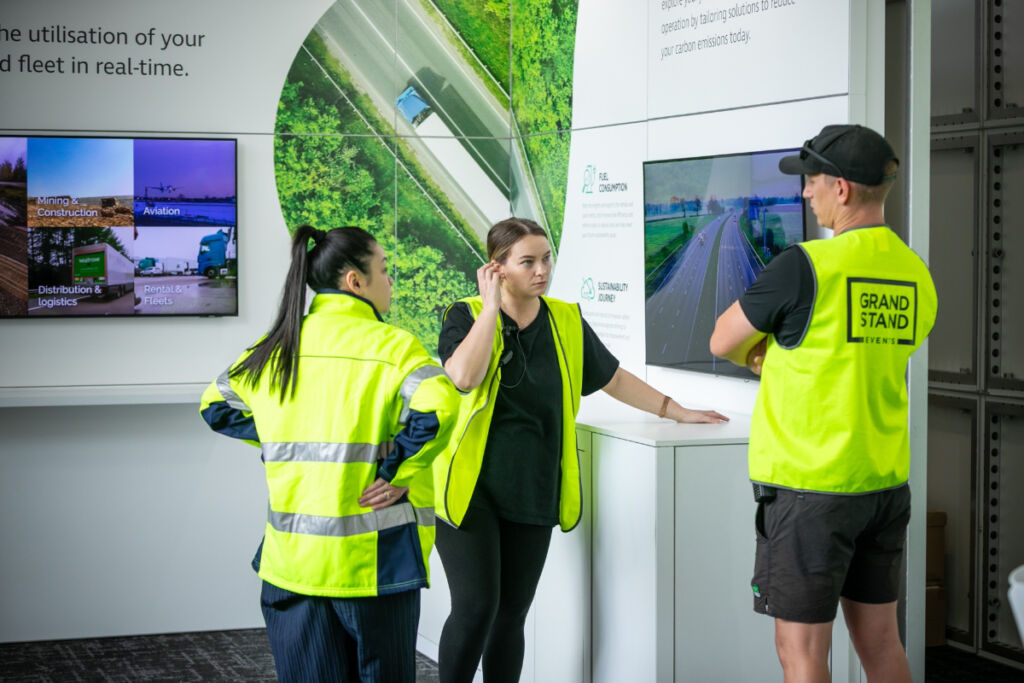
Even experienced teams fall into assumption traps. You might assume:
- • The venue provides certain services (they don’t)
- • The design includes storage (it doesn’t)
- • Signage is managed by someone else (it isn’t)
These assumptions can lead to last-minute surprises and rushed fixes.
Fix it by:
- • Clarifying responsibilities with your builder, agency, and venue
- • Working from a single shared brief
- • Confirming scope down to the granular details
These kinds of assumptions aren’t careless — they come from busy teams working fast, often across multiple suppliers. But the consequences can be costly. A missing power source or miscommunicated signage plan might seem minor, yet they can derail the whole experience on the day. Taking time to clarify and document even the smallest details helps your project run smoothly and ensures everyone, from the installer to the brand team, is on the same page.
Mistake: Ignoring Sales Conversations in Your Stand or Activation Layout
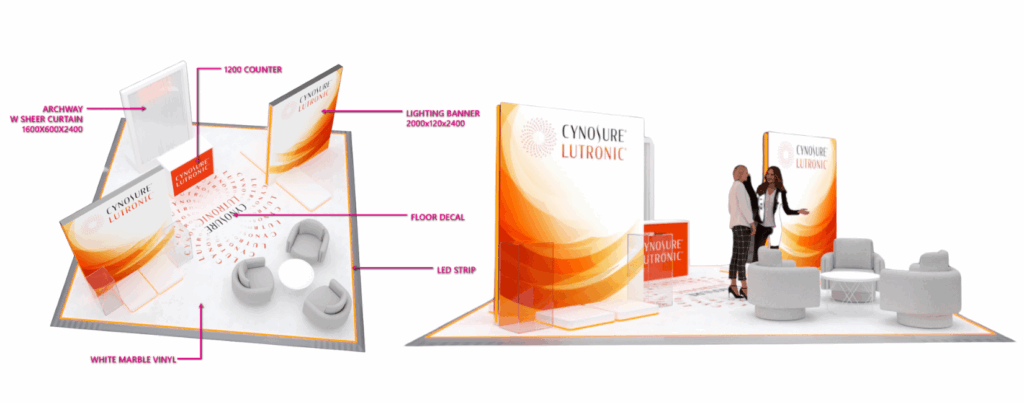
Whether you’re on a show floor or running a brand activation, the goal isn’t just to look good. It’s to drive the right conversations. Layout decisions — from pillar placement to signage height — affect how (and if) that happens.
Mistakes we’ve seen:
- • Meeting tables crammed near entry points
- • Product hero pieces hidden behind columns
- • AV screens positioned at eye-level for children, not adults
How to fix it: Design with your sales process in mind. Where do conversations happen? What needs to be visible? How much space do you need to demo a product?
A smart layout doesn’t just support your brand — it supports your people.
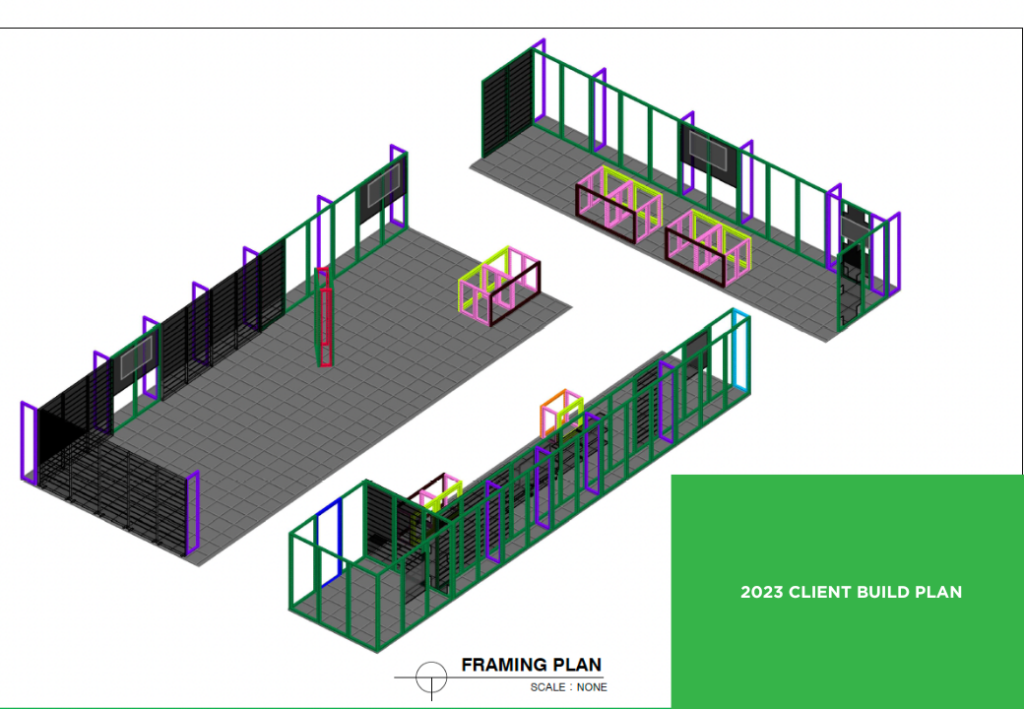
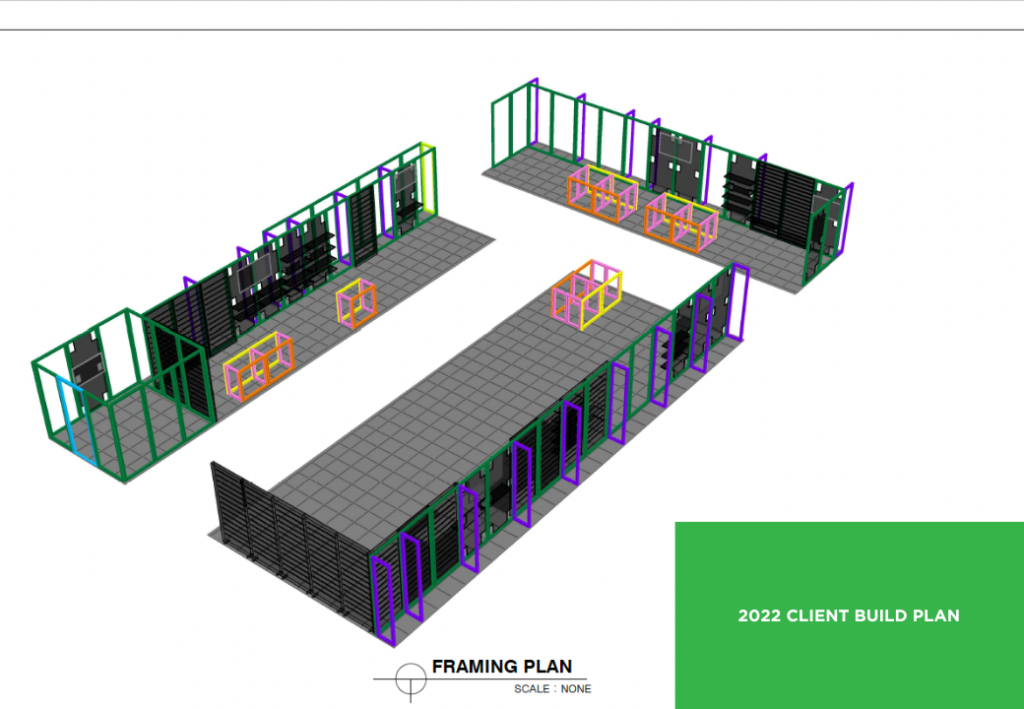
Mistake: Failing to Plan for Reuse in Exhibition Stands and Event Builds
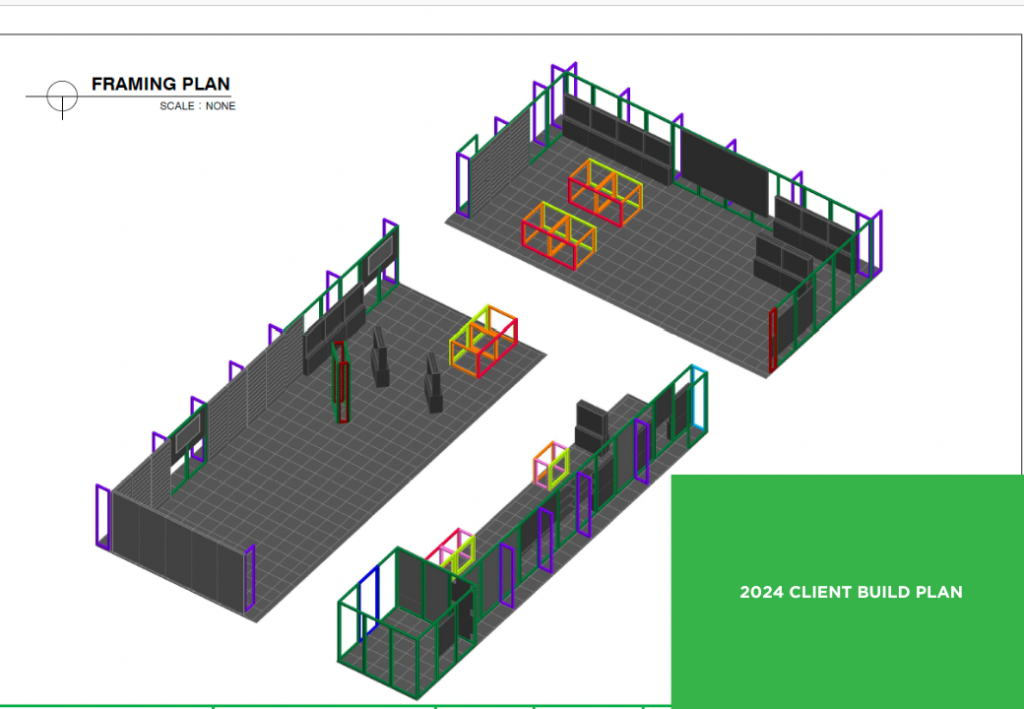
In the push to get something built fast, reuse often becomes an afterthought. That’s fine if your project is one-off — but most aren’t. Most clients will reuse assets, reskin frames, or reconfigure builds down the line.
What to do:
- • Brief for future shows, not just this one
- • Ask what can be stored, recycled or repurposed
- • Choose cladding, signage and structural elements with flexibility in mind
Why it matters: It’s more sustainable and cost-effective.
Mistake: Not Asking the Right Delivery Questions for Events, Fitouts and Activations
You don’t know what you don’t know — and that’s okay. A good delivery partner should guide you through the unknowns. But when conversations stay surface-level, key risks often go unnoticed until they’re already impacting your budget or delivery.
It’s common for teams to focus their questions on cost, lead time, or visuals. Those things matter. But they won’t uncover potential compliance issues, logistical bottlenecks, or design limitations.
Instead, dig deeper. Ask whether your proposed layout will accommodate multiple teams at once. Check if your AV requirements are feasible for the venue. Confirm that your signage, materials, or stand height comply with the event organiser’s regulations.
The more you ask — and the earlier you ask — the more confident your team will be. Great delivery isn’t just about execution. It’s about uncovering the unknowns before they become problems.
Examples:
- • Can this layout accommodate multiple teams at once?
- • Are there compliance issues with this height or material?
- • What are the AV power requirements?
The takeaway: Push beyond the basics. The more you ask, the more confident your delivery will be.
How Grand Stand Events Helps You Avoid These Common Mistakes
At Grand Stand Events, avoiding mistakes isn’t luck — it’s built into our process. We’ve delivered hundreds of custom builds across exhibitions, activations, retail fitouts and roadshows, and we know exactly where projects tend to go off track.
We take a proactive, structured approach so your team isn’t reacting under pressure, you’re staying ahead of it.
Whether it’s an activation, showroom fitout, roadshow or stand, you’ll always get:
- • A strategic onboarding session that defines what success looks like — not just how it looks, but how it performs
- • Format-specific planning to account for traffic flow, compliance, approvals, and reusability from the start
- • Clear scopes, shared briefs, and early stakeholder alignment to eliminate assumption gaps
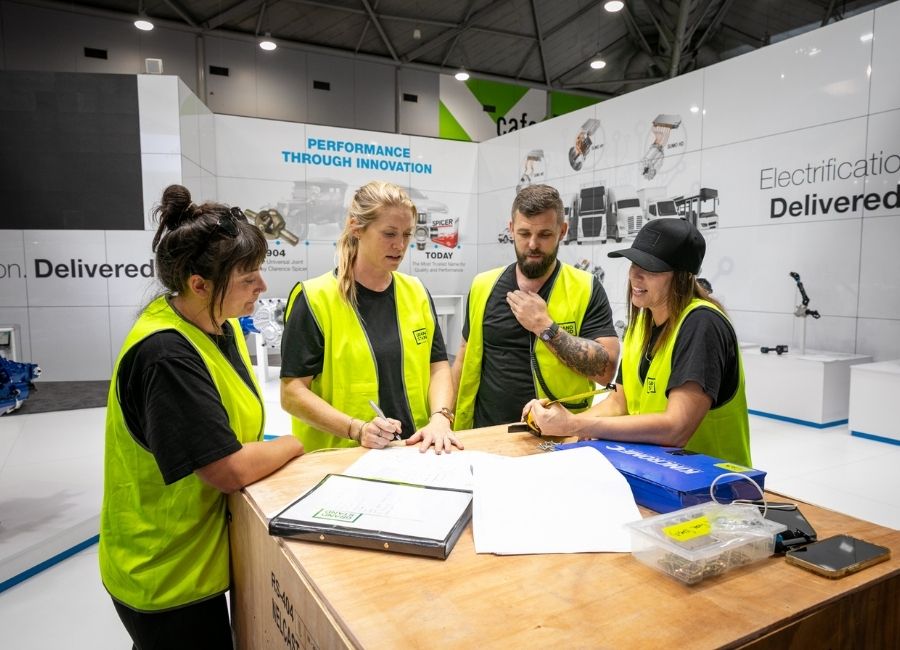
- • Built-in handovers and walkthroughs, so your team knows exactly how to use the space when it matters
- • Transparent delivery timelines and risk management practices — no surprises, no missed details
We don’t just build stands. We build confidence — through planning that’s as strategic as it is seamless. Because the outcome matters more than the output.
Start Your Event or Stand the Right Way — With a Partner Who Plans Smarter
Avoid the pitfalls. Get strategic from the start.
BRANDS WE’VE MADE STAND OUT