Why Full-Service Delivery Is the Key to Stress-Free Events and Better Outcomes
How Full-Service Delivery Defines Success in Exhibitions, Activations and Fitouts
Design is where the vision begins, but delivery is where it’s tested. In the fast-paced world of events [exhibitions, activations, roadshows, and fitouts], a full service delivery isn’t just important — it’s the difference between a space that performs and one that falls short.
For many marketing teams, the real challenge isn’t in approving a concept. It’s in making sure the space is built on time, compliant, and ready to perform, without last-minute stress or budget blowouts.
This is where full-service delivery comes in. But what does it really involve? And how can you recognise a partner who will manage every stage with precision?
What Full-Service Delivery Actually Means
At its core, full-service delivery is about managing every phase of a project, from the initial idea to the final bump-out. This includes design, engineering, approvals, logistics, installation, and even post-event storage or reconfiguration.
It’s not just about building a space. It’s about giving brands confidence that every detail, large or small, has been anticipated and addressed.
This approach removes the burden from internal teams, allowing them to focus on strategy and engagement rather than supplier coordination.
Why Projects Often Falter Without It
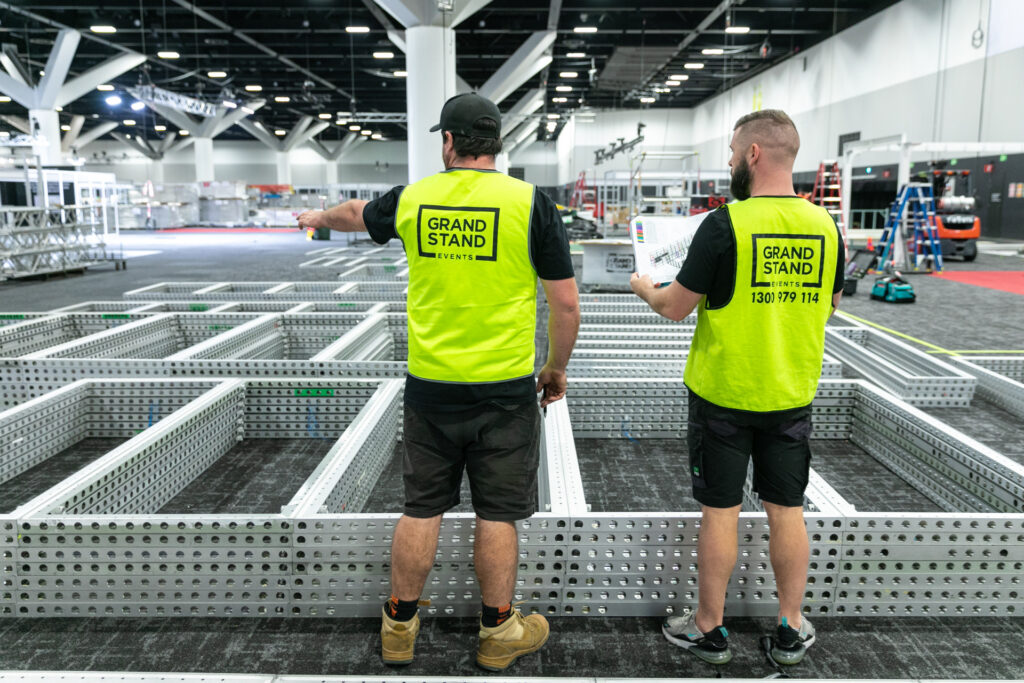
Many projects encounter issues when delivery isn’t fully managed. Without a single point of accountability, teams are left juggling multiple suppliers, each focused only on their piece of the puzzle.
Delays, miscommunications and missed details often follow.
For example, Brisbane City Council’s Local Retail and Activation Strategy Toolkit highlights how failure to account for venue access restrictions is a frequent cause of delays in activations and retail pop-ups. Limited delivery windows, height or weight limits on entry points, and shared loading docks can all create bottlenecks if not anticipated early in planning.
Similarly, Events, Place Activation and Sustainability (Taylor & Francis, 2024) writes that successful activations depend on robust logistical planning to navigate complex site requirements and approvals. Without this, even small oversights can lead to costly reschedules or last-minute compromises.
Want to know the most common pitfalls teams face? [Read about the hidden mistakes that derail builds.]
A Closer Look at the Full-Service Process
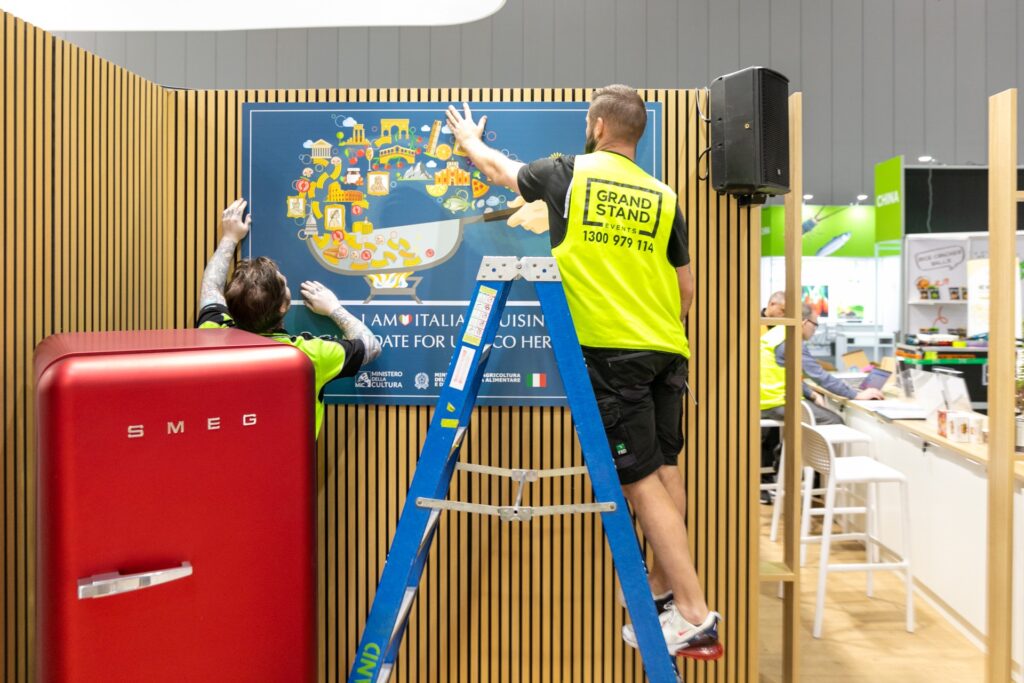
Full-service delivery is more than a checklist of tasks. It’s a comprehensive approach that ensures every stage of your project, from initial concept to post-event wrap-up, is handled with care and precision. Here’s what it involves:
1. Strategic Briefing: Building a Strong Foundation
The success of any project begins with clarity. This stage is about understanding your goals, audience, and operational needs. It’s where timelines, budgets, and potential challenges are identified early to create a roadmap that supports both creative vision and practical delivery.
A thorough briefing also aligns internal stakeholders and ensures that everyone (from marketing to sales) has a shared understanding of what the space needs to achieve.
2. Design and Documentation: Turning Vision Into Reality
Once the strategy is clear, the creative process begins.
Design isn’t just about aesthetics; it’s about functionality, compliance, and scalability. At this stage, concepts are paired with detailed technical documentation to ensure they can be built safely, on time, and within budget.
This includes layout plans, material selections, and compliance documentation for venue approvals. By planning for every detail upfront, surprises during construction are minimised.
3. Production and Project Management: Coordinating the Moving Parts
This phase takes the approved design off the page and into production. Materials are ordered, custom elements are fabricated, and a timeline is set for every step of the build.
An end-toend build partner manages suppliers, coordinates trades, and monitors progress to keep the project on schedule. They also handle risk management, ensuring any issues are addressed before they impact the timeline or budget.
4. Onsite Execution: Bringing It All Together
The installation phase is where planning meets action. A well-coordinated bump-in ensures the space is assembled efficiently, AV systems are tested, safety checks are completed, and the final touches are applied.
Your delivery team should oversee contractors and manage on-site troubleshooting, so your team can focus on event preparation rather than logistics.
5. Post-Event Support: Extending the Value
Complete project management doesn’t end when the event closes. It includes dismantling the space, managing storage of reusable elements, and planning for future adaptations.
This post-event phase helps brands extend the life of an investment, supporting sustainability and cost efficiency in future activations.
Why This Matters
Each stage in this process builds on the next: clear strategy informs smarter design, detailed documentation prevents compliance issues, tight production schedules protect timelines and seamless execution gives your team the confidence to focus on their goals.
With a turnkey solution:
- • Complexity is reduced
- • Risks are minimised, and
- • Outcomes are maximised.
Why Different Formats Require Unique Delivery Strategies
Each format presents distinct challenges:
- • Exhibitions demand tight scheduling and detailed compliance.
- • Activations often require fast installs in high-traffic areas.
- • Roadshows need flexible, modular designs for multi-site use.
- • Fitouts require long-term durability and minimal disruption to operational spaces.
An experienced delivery partner understands these nuances and plans accordingly.
How to Evaluate a Delivery Partner
Before committing, consider asking:
- • Do they manage every stage from initial brief to post-event?
- • How do they handle venue compliance and permits?
- • Can they adapt to last-minute challenges?
- • Do they offer storage and reuse planning?
- • Do they have proven experience across multiple formats?
Sustainability in Modern Delivery
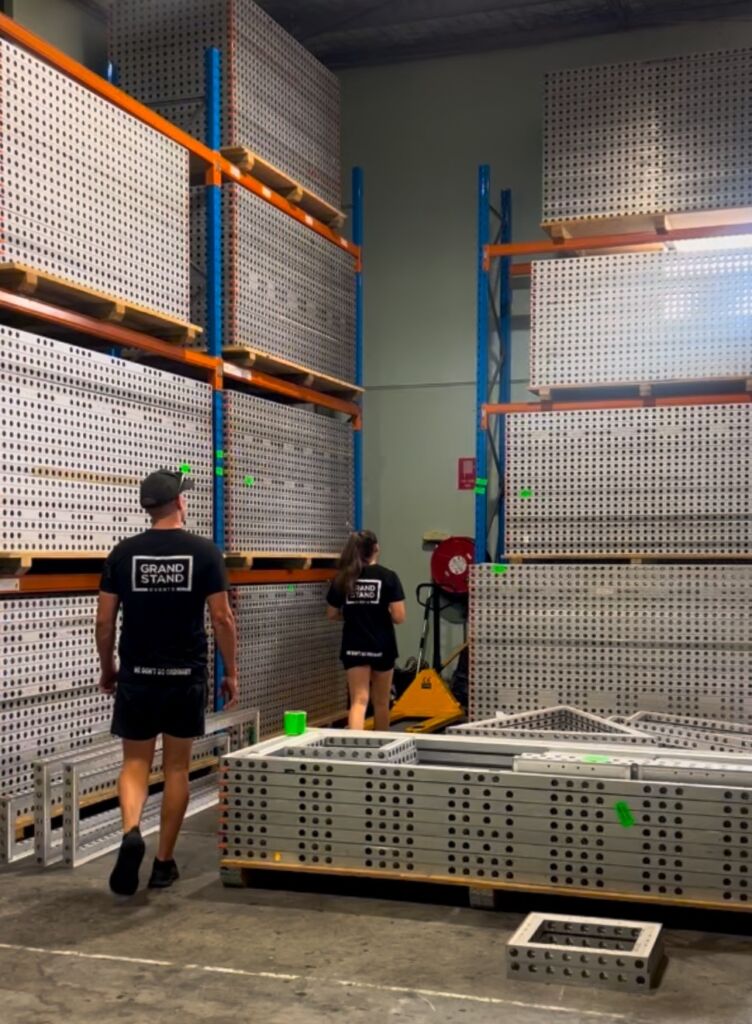
Sustainability is no longer optional. Brands are increasingly seeking partners who design for reuse, use modular framing systems, and partner with recyclers to reduce waste.
For example, opting for reusable modular steel framing and eco-friendly flooring across three shows can waste by up to 60% compared to traditional builds.
What Great Delivery Feels Like
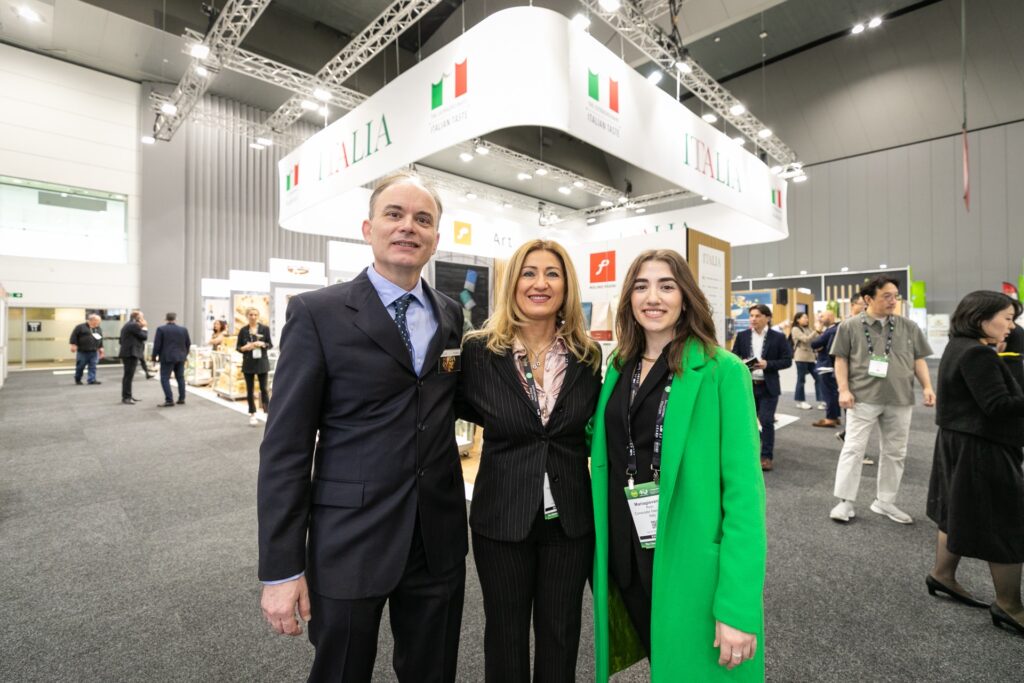
When delivery works, it’s almost invisible. The space is ready, your team feels confident, and your audience engages without distraction.
This seamlessness is only possible when every stage is led by proactive planning and precise execution.
Full-Service vs. Multi-Supplier Models: What’s the Difference?
When it comes to delivering complex projects like exhibitions, activations, or fitouts, how you structure your delivery team can make or break the outcome. Two common approaches are a full-service model or a multi-supplier model — but they deliver very different experiences.
The Multi-Supplier Model
In a multi-supplier setup, brands engage separate specialists for each stage: one for design, another for production, others for logistics, installation, and so on. While this can seem cost-effective at first, it comes with hidden risks:
- • Fragmented Communication
- • Increased Admin for Your Team
Internal teams often end up acting as project managers — chasing updates, reconciling schedules, and resolving conflicts between vendors. - • Higher Risk of Delays
Misaligned timelines, overlapping scopes, and last-minute changes often lead to costly reschedules or compromises.
Each supplier is focused on their own scope. Without a single point of accountability, critical details can fall through the cracks.
The Full-Service Advantage
A full-service delivery partner manages every phase of the project, from briefing to post-event. With this approach:
- • One Point of Contact
- • Seamless Integration
Design decisions are made with production and installation in mind, reducing rework and ensuring compliance from day one. - • Reduced Risk
Proactive planning, centralised project management, and built-in contingency plans keep timelines and budgets on track. - • Better Outcomes
The result is a space that performs as intended — delivered without last-minute stress, and ready for your team to step in and focus on audience engagement.
Your team deals with a single partner who oversees all suppliers, trades, and logistics.
The difference isn’t just in approach — it’s in the confidence, control, and outcomes your team experiences on the ground.
Conclusion: Why Delivery Defines the Difference
Design gets attention. Delivery creates outcomes.
With the right partner, your team can focus on engaging audiences while knowing every detail is under control.
Curious how full-service delivery could simplify your next project? Learn what to look for when choosing a partner who can handle every stage with care.

BRANDS WE’VE MADE STAND OUT